
Reproduction and Dispersal of California Gnatcatcher (CAGN)
Project Status: Active
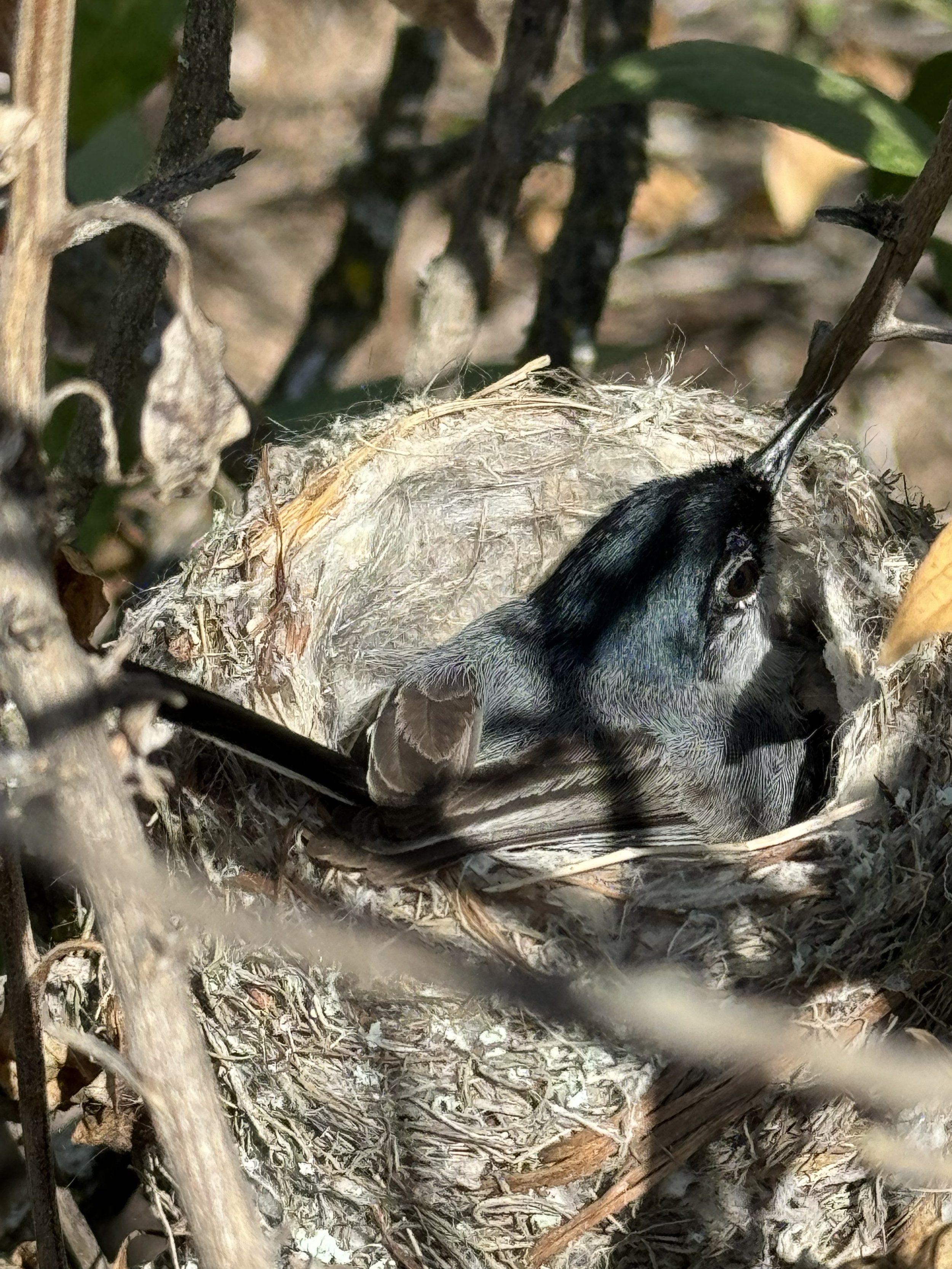
Photo by Karly MooreCoastal California gnatcatcher (Polioptila californica californica)
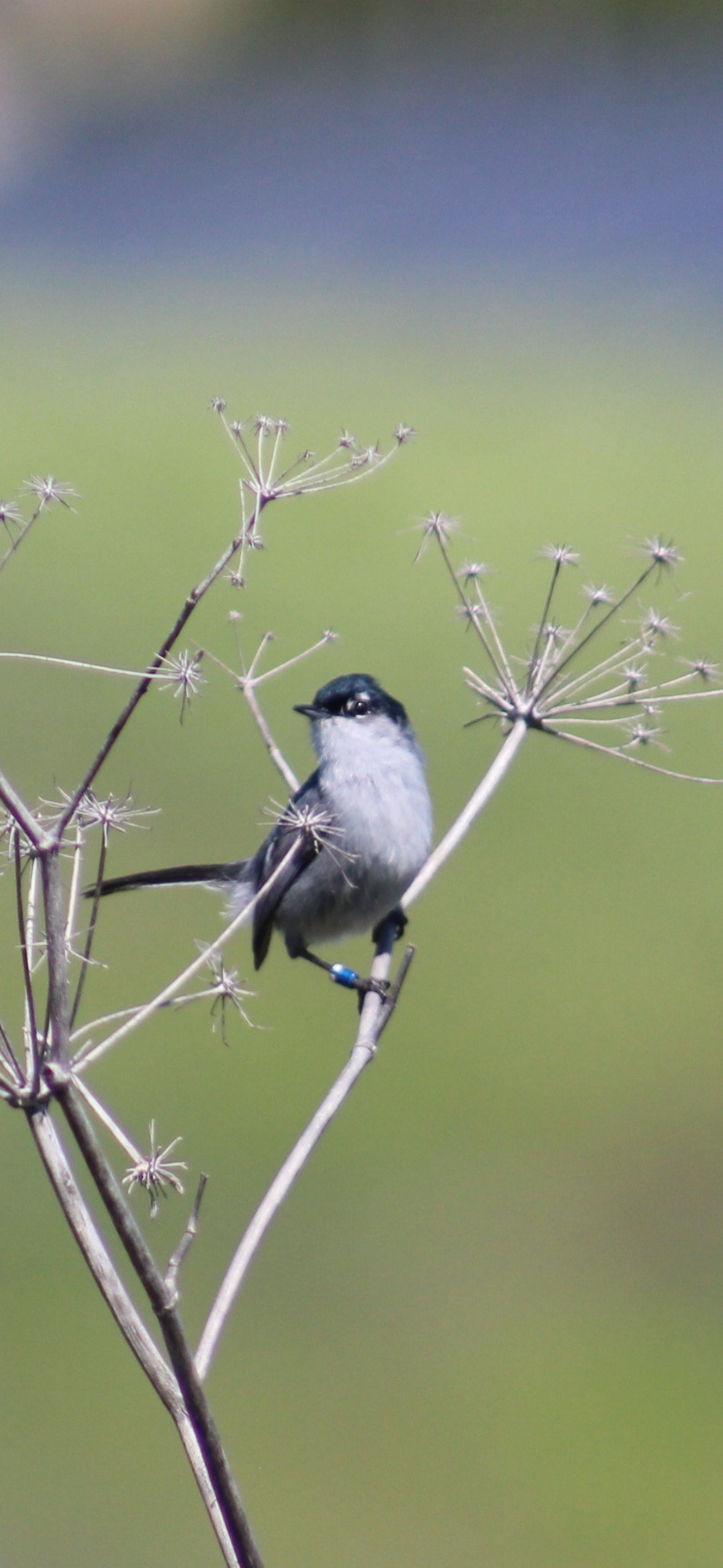
Adult coastal California gnatcatcher. Photo by Karly Moore. The coastal California gnatcatcher (Polioptila californica californica; "California gnatcatcher") is a federally threatened species listed in 1993 under the Endangered Species Act of 1973. It is a resident species of restricted sage scrub-dominated plant communities from Ventura County south to Baja California, Mexico. The California gnatcatcher is an obligate species dependent on coastal sage scrub plants, including California sagebrush, California buckwheat, and other sage scrub species, for nesting, foraging, and shelter from predators.
Coastal California Gnatcatchers Have Faced Population Decline Due To:
Habitat loss
Frequent and Destructive Wildfires
Invasive Plant Species
Brown-headed Cowbird Nest Parasitism
Coastal California gnatcatcher (Polioptila californica; CAGN) numbers have decreased from historical levels.
Project History
The University of California, Irvine San Joaquin Marsh Reserve (Reserve) in Orange County, California, was recorded as having a relatively high number of coastal California gnatcatcher (gnatcatcher) nesting pairs. Approximately 30 years ago, the Reserve underwent a major habitat restoration project that restored the coastal sage scrub community. This finding of gnatcatcher nesting pairs may indicate the presence of suitable habitat, but prior research at the Reserve has not included any specific studies of gnatcatchers beyond a presence/absence survey.
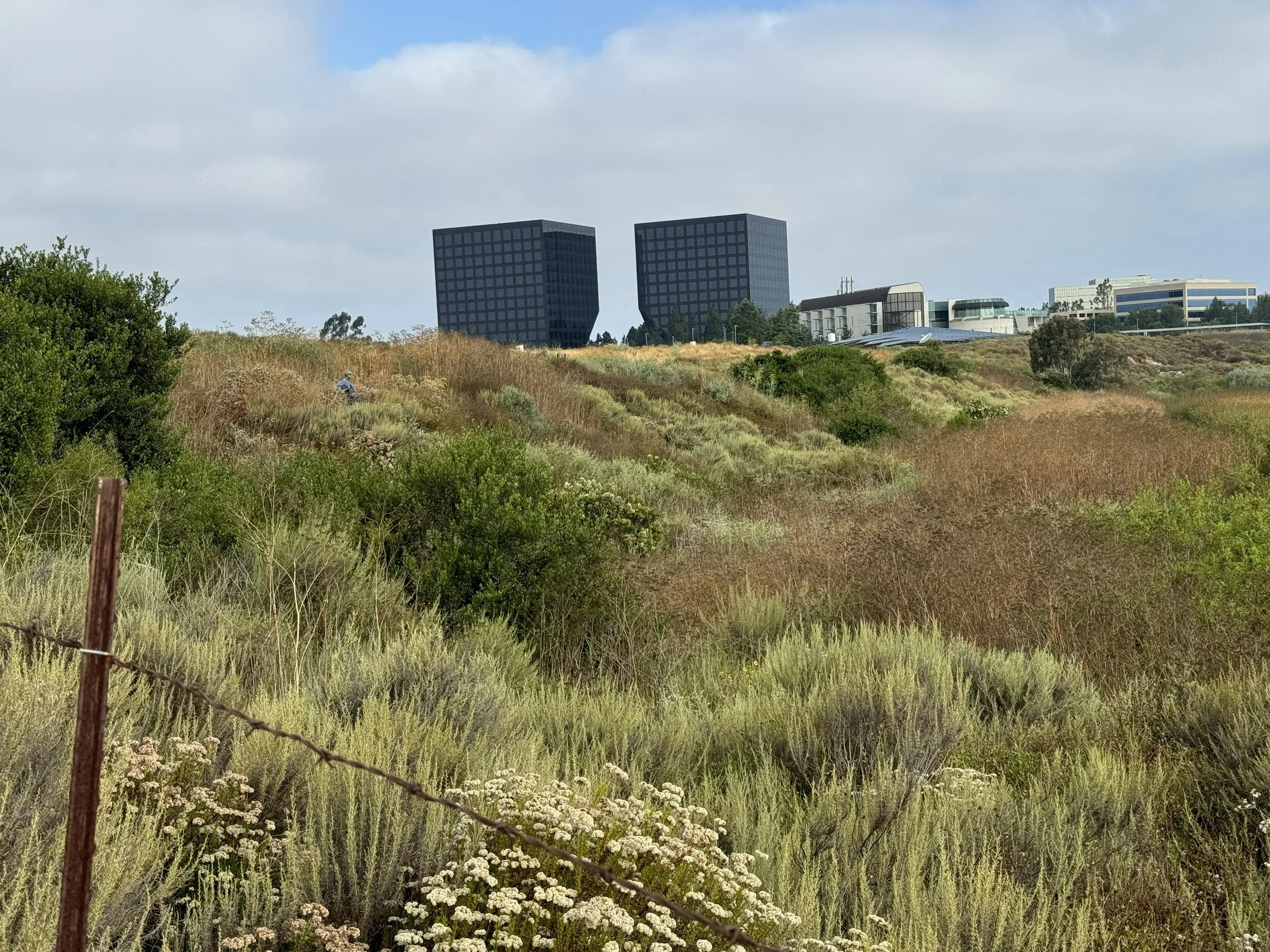
University of California, Irvine San Joaquin Marsh Reserve. Photo by Karly MooreOur Research
ICRE is conducting a color banded dispersal study to understand the relationship between the surrounding population and the coastal California gnatcatcher by investigating whether the reserve acts as a source or sink for the coastal California gnatcatcher population in Orange County, CA. As a source for CAGN juveniles, the Reserve may play a pivotal role in sustaining CAGN in Orange County. This depends on whether juveniles disperse from the Reserve to the surrounding area and are recruited into the breeding population as a source. If the Reserve is a sink, the population cannot persist in that habitat.
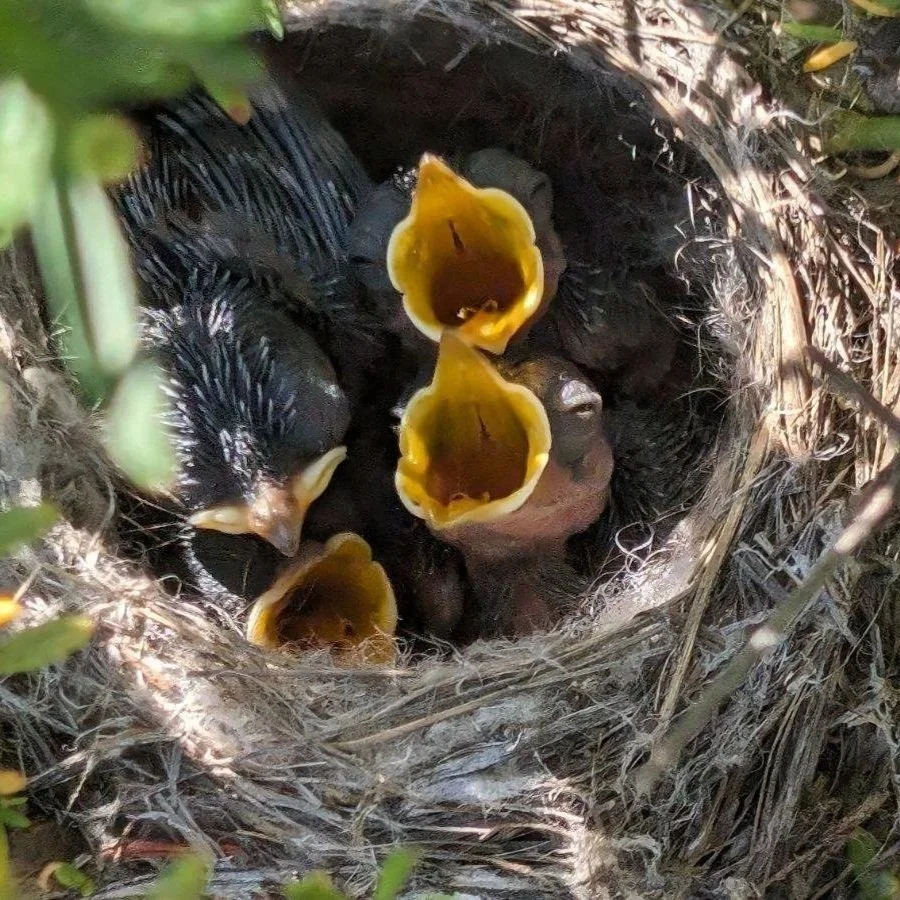
Nest with young coastal California gnatcatchers. Photo by Karly Moore. Our Work
Permitted biologists identified coastal California gnatcatcher breeding territories at the Reserve. Biologists banded nestlings while they were still in the nest and before they could fly; they trapped adults and fledglings using mist nets. Biologists recorded territory number, GPS location, nesting substrate, nest number, and nest stage for each nest when located. While banding, biologists recorded the band number, color combination, age, sex, territory ID, nest number, and weight (adults and fledglings) for each bird before releasing it.
After banding, biologists regularly monitor the Reserve and document observed individuals. They also use community science platforms like eBird and iNaturalist to collect photographs of banded gnatcatchers and to record the locations of these sightings.
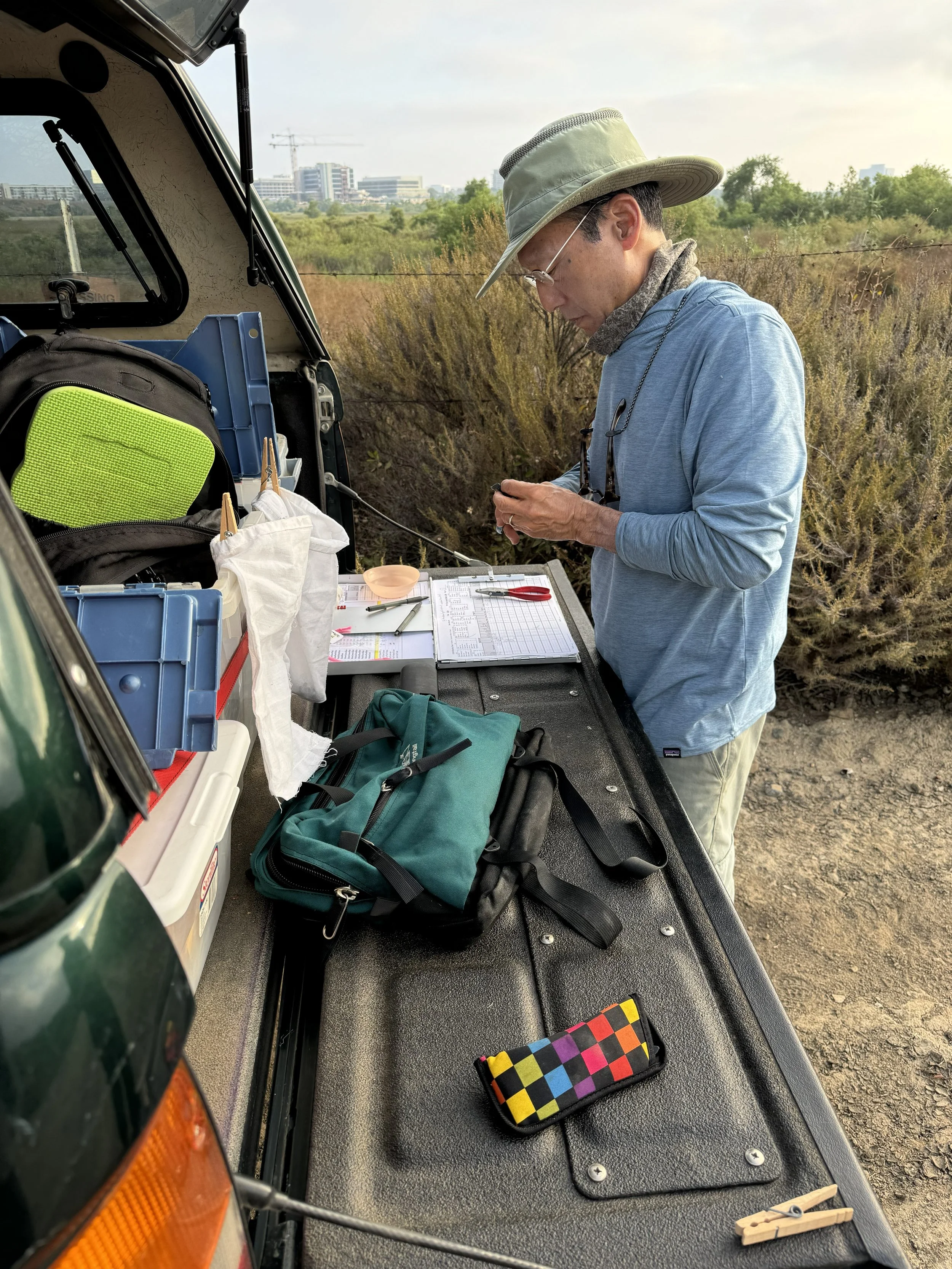
Permitted biologists banding a coastal California gnatcatcher. Photo by Karly Moore. Our Goals
This study aims to track the success of gnatcatcher nests and resight individual gnatcatchers after they have dispersed. This will help us identify important connections to neighboring coastal sage scrub areas. Our findings will allow us to evaluate dispersal preferences and distances, which can inform the design of core-and-linkage reserves for existing sites and guide future development and corridor decisions. Additionally, our research will help validate reserve design by quantifying habitat vegetation features, improving our understanding of gnatcatcher habitat preferences in restored areas. Ultimately, the results will inform the adaptive management of the species and strengthen recommendations for its recovery.
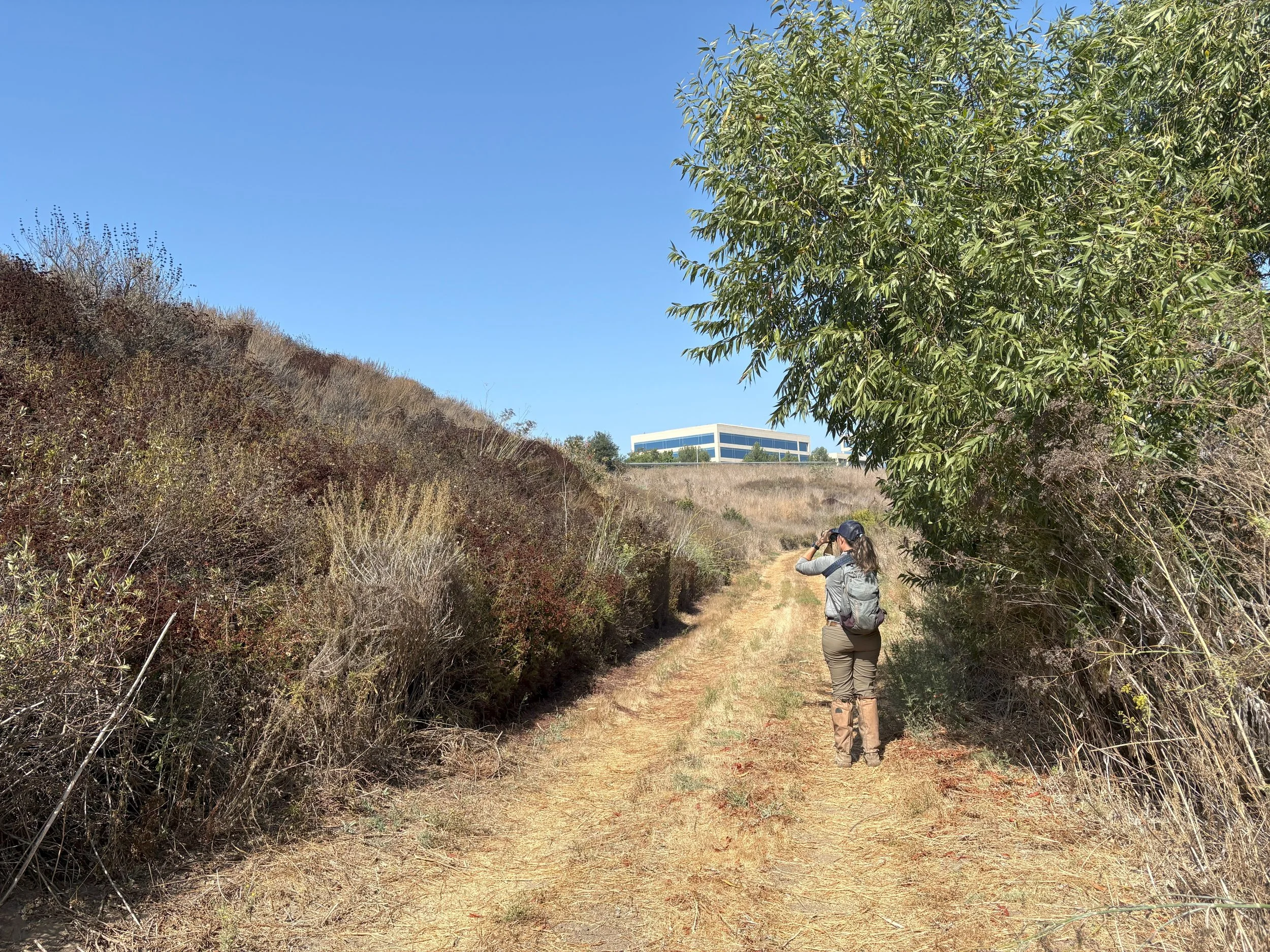
Permitted biologist conducting California gnatcatcher observations. Photo by Thea Wang.